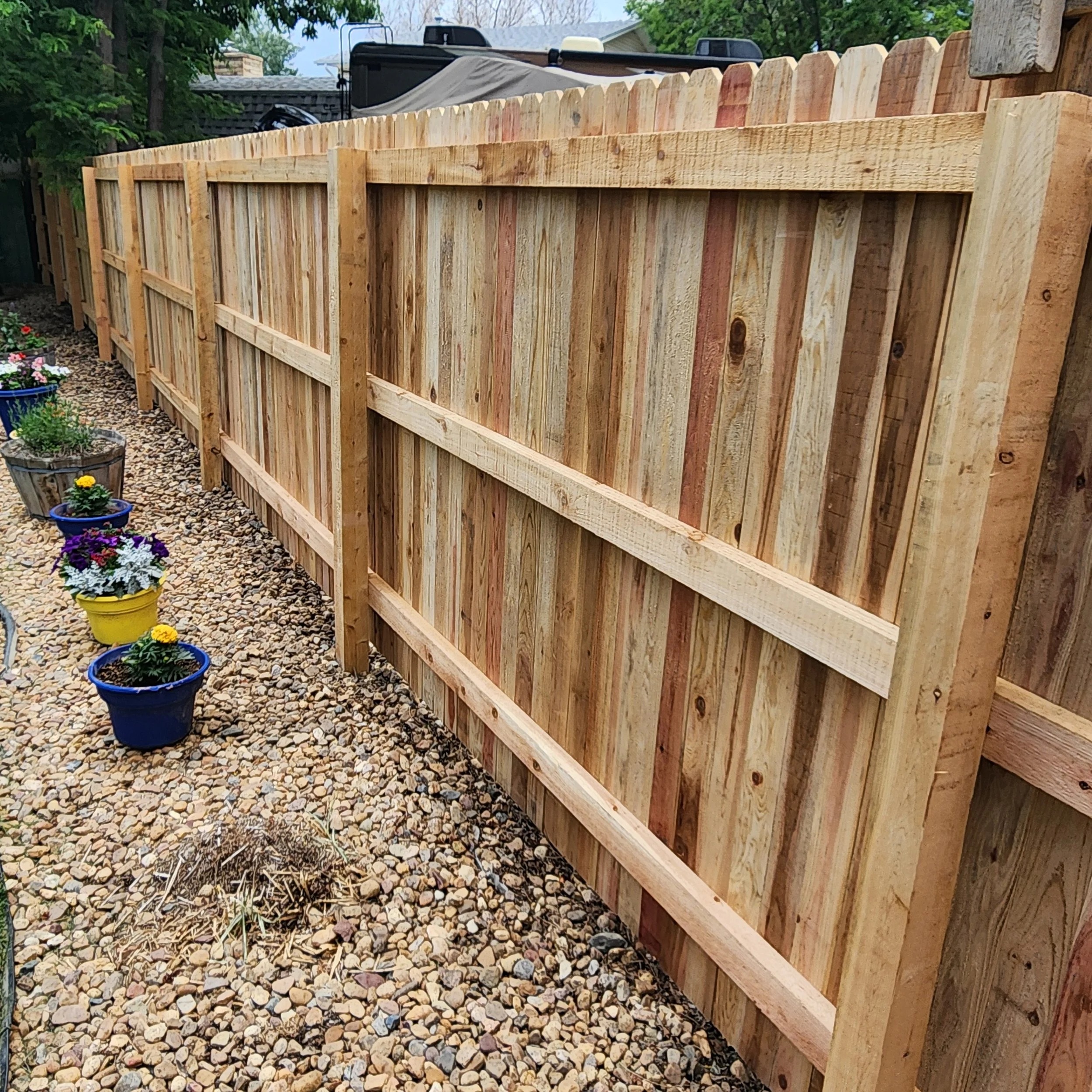
Understanding Local Regulations: Ensuring Compliance with Your New Fence Mar 11, 2026
First and foremost, familiarizing yourself with zoning laws is essential. Zoning laws dictate how land can be used in specific areas and may affect the height, style, and placement of your fence. Typically, these laws are designed to maintain neighborhood aesthetics and ensure safety. Before installing your fence, verify the zoning classification of your property. Residential, commercial, and industrial zones each have distinct rules. Consulting with your local zoning office or Bullpit Fencing experts can save you from potential pitfalls.
Another important factor to consider is the homeowners association (HOA) guidelines if applicable. HOAs often have their own set of rules regarding fences, including acceptable materials, colors, and dimensions. These guidelines are in place to uphold community standards, enhancing property values for all residents. Before you finalize your fence plans, review the HOA regulations in your area or consult with your association representative. Bullpit Fencing is well-versed in working within such parameters to ensure your fence meets both your personal needs and community guidelines.
Property lines present another challenge during fence installation. Knowing exactly where your property ends and your neighbor's begins is crucial to avoid disputes. It's wise to have a recent survey of your land to confirm boundary lines. If you proceed without this information, you risk erecting your fence on your neighbor’s land, potentially leading to conflicts and legal issues. Additionally, it is courteous and often required to inform neighbors about your fencing plans, especially if the installation is on a shared boundary.
Building permits are often overlooked but necessary steps in the fence installation process. Many regions require permits to ensure the fence complies with local building codes. Failure to secure the appropriate permits can result in fines or removal of the fence. Visit your local city or county government website for information on whether a permit is necessary for your project. Bullpit Fencing can assist with the documentation and application process, making it seamless and stress-free.
Lastly, consider underground utilities before installing your fence. Digging without checking for utilities like power or water lines can lead to dangerous and costly damages. Contact your local 'call before you dig' hotline, often referred to as 811, to have utility companies mark their lines. This step is crucial to ensuring safety and compliance with local regulations.
In conclusion, installing a fence involves more than just selecting materials and aesthetics. Compliance with local regulations is a fundamental aspect of any successful fencing project. By understanding and adhering to zoning laws, HOA guidelines, property lines, building permits, and underground utilities, you safeguard yourself from potential legal and financial setbacks. At Bullpit Fencing, we’re committed to guiding you through these regulations, ensuring a smooth installation process that enhances your property and community standards. Let us help you build a fence that both defines and protects your space with compliance and style.
/filters:no_upscale()/filters:format(webp)/media/9711e1be-9c95-4903-95e6-246252fc2f07.jpeg)