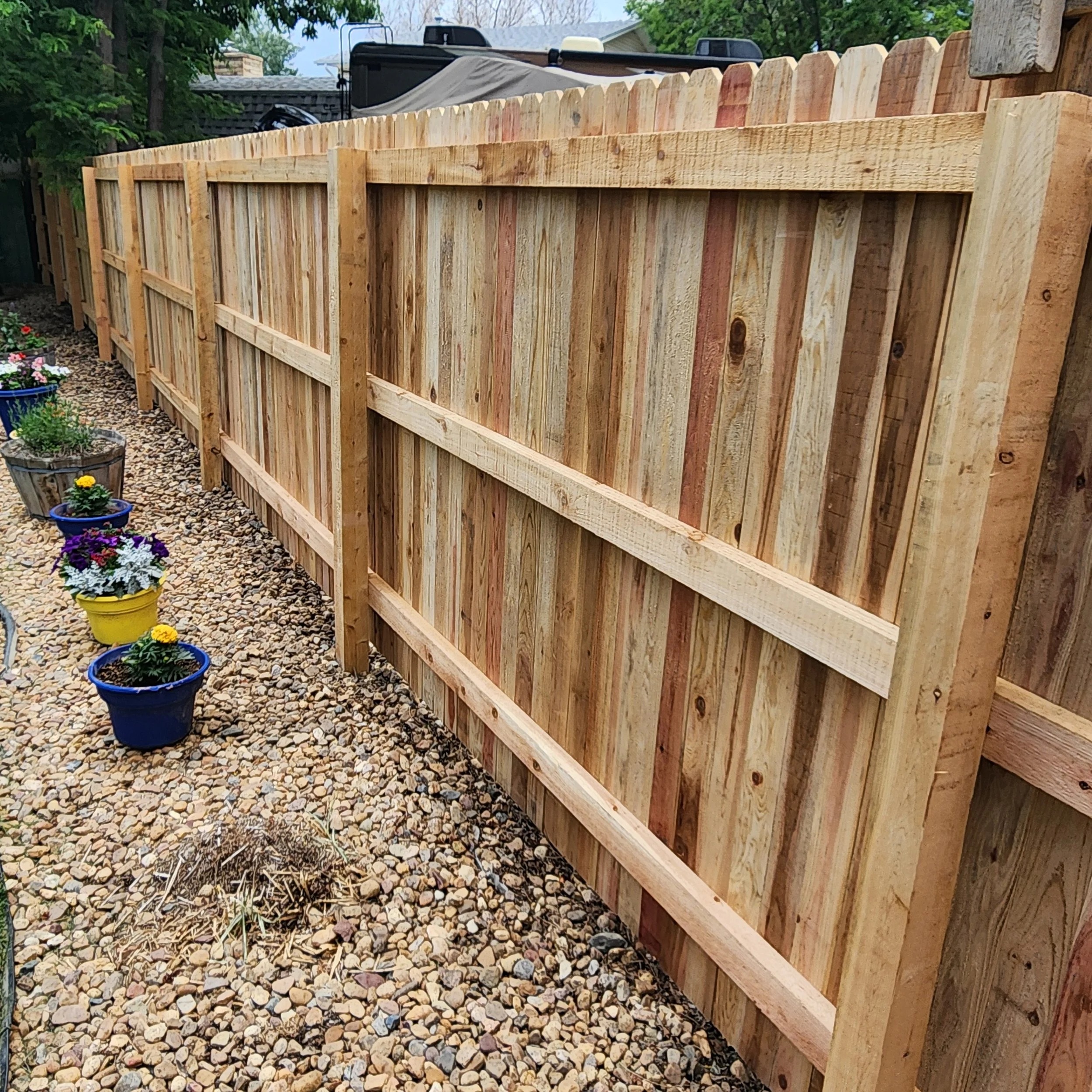
Achieving Balance: Blending Functionality and Aesthetics in Fence Design Jun 04, 2026
When considering fence installation, the first step is to identify the primary purpose of the fence. Whether it's for privacy, security, noise reduction, or simply to mark property boundaries, defining the main function will guide the selection of materials and design style. For example, if privacy is a concern, a solid panel fence might be ideal. Conversely, if aesthetics are more critical, a picket or lattice design might be more suitable.
Once the functional aspect is defined, it's time to consider aesthetics. A well-designed fence can complement and enhance the beauty of any landscape. The key is selecting materials and colors that harmonize with the existing architecture and natural surroundings. Wood, vinyl, and metal are popular choices, each offering different aesthetic qualities. Wood provides a classic, natural look, while vinyl offers a more contemporary feel. Metal fences, particularly wrought iron or aluminum, can add an elegant touch to a property's exterior.
A critical aspect of blending functionality and aesthetics is understanding how various designs can fulfill multiple roles. For instance, a hedge fence can provide both privacy and an attractive natural look, fitting seamlessly into a garden setting. Similarly, a combination of solid and decorative fencing elements can offer security without compromising visual appeal, such as using a solid base with ornate metalwork on top.
Incorporating color into fence design is another effective way to achieve balance. Neutral colors usually blend better with natural outdoor settings, whereas bold colors can make a statement and add character. It's essential to select a color scheme that resonates with the property's style and surroundings. Using finishes and treatments can further enhance durability and appearance, keeping the fence looking great and functioning correctly over time.
Another consideration is the integration of landscaping elements with the fence design. Plants, flowers, and shrubs can soften hard lines and add depth to outdoor spaces. Climbing plants, like ivy or wisteria, can enhance a fence's visual appeal, while also contributing to privacy. This combination creates a cohesive look, incorporating the fence into the wider landscape design seamlessly.
Finally, staying mindful of maintenance requirements is vital for maintaining the balance between function and style. Different materials and designs demand varying levels of upkeep. Choosing low-maintenance materials can save time and effort, without sacrificing aesthetic quality. Options like vinyl and composite are not only durable but also resistant to weathering, making them excellent choices for those looking to minimize maintenance while keeping their fence looking good.
In conclusion, blending functionality and aesthetics in fence design is about making choices that fulfill practical needs without neglecting the visual aspects that enhance curb appeal. By prioritizing clear objectives and selecting appropriate materials, homeowners can ensure their fences are not only purposeful but also a beautiful addition to their properties. At Bullpit Fencing, our goal is to help create perfect solutions that meet both aesthetic desires and functional demands, ensuring satisfaction for all our customers.
/filters:no_upscale()/filters:format(webp)/media/9711e1be-9c95-4903-95e6-246252fc2f07.jpeg)